Get Log Home Staining
Local contractors offer staining services that protect and enhance log home exteriors, addressing weather damage, UV fading, and maintaining natural beauty.
Property owners considering log home staining often recognize the importance of protecting and enhancing the natural beauty of their investment. Proper staining not only helps preserve the wood against weathering and moisture damage but also maintains the home’s appearance over time. For those planning a staining project, exploring local contractors can provide valuable insights into the options available, ensuring the work aligns with the specific needs of the property and the region’s climate conditions.
Comparing local service providers can assist property owners in identifying experienced professionals capable of delivering quality results. Whether the goal is to refresh the look of a log home or to safeguard it against the elements, connecting with qualified local contractors can help make informed decisions about the best approach. Keep reading to learn more about how local pros can support a successful log home staining project.
- Log Home Staining - when a homeowner wants to enhance the appearance and protect the wood exterior of their log residence.
- Exterior Log Staining - for property owners seeking to preserve the durability and beauty of their log siding against weathering.
- Interior Log Staining - when someone aims to highlight the natural grain and character of interior log walls or beams.
- Re-staining or Touch-up - for those needing to refresh or repair faded or damaged stain on their log home surfaces.
- Custom Staining Projects - when clients desire specialized colors or finishes to match their unique aesthetic preferences.
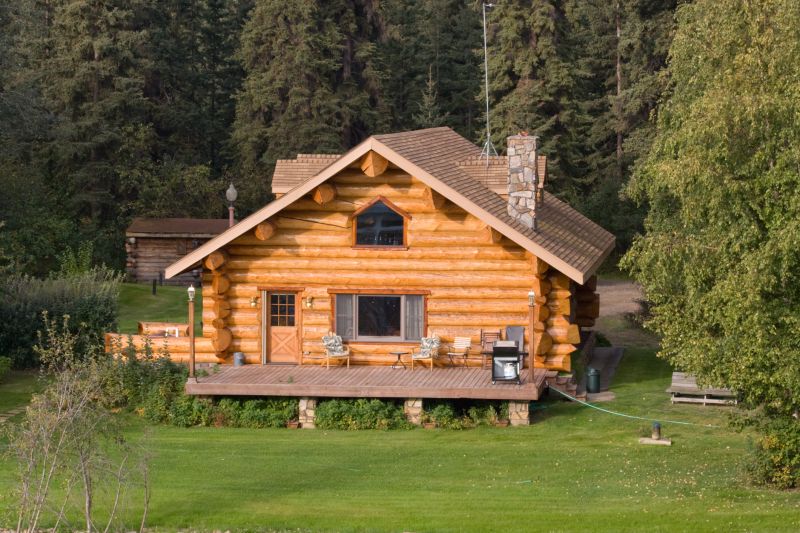
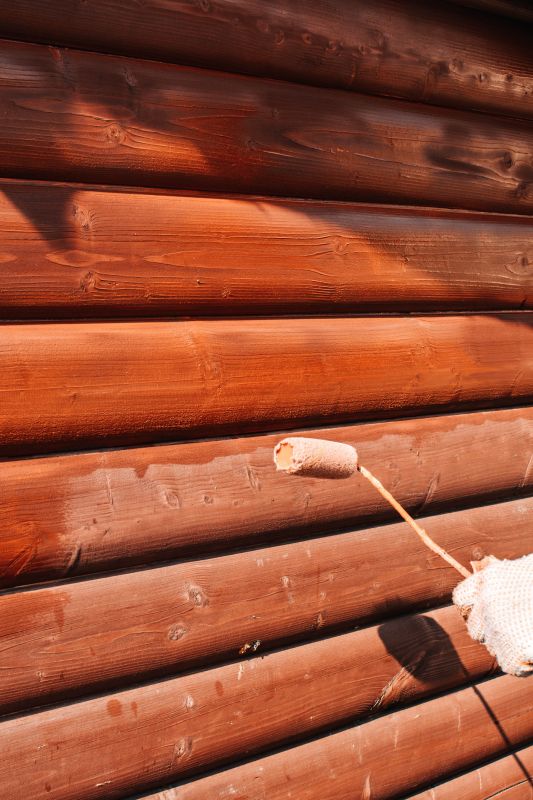
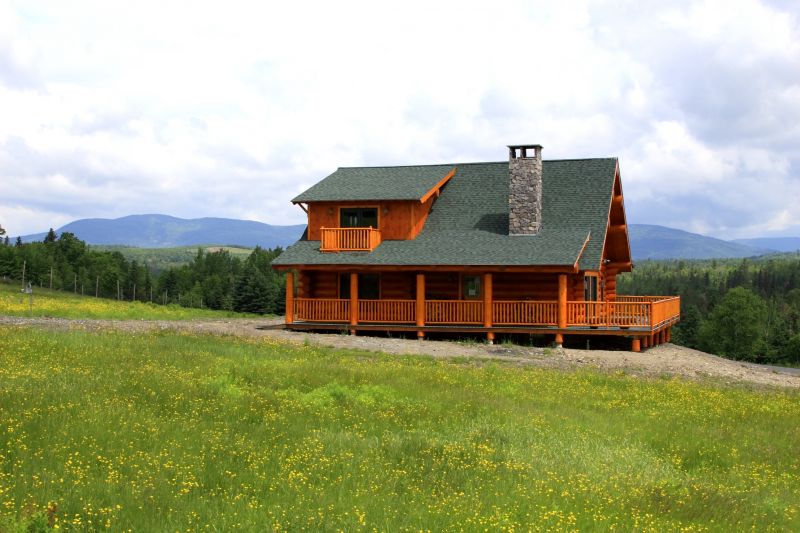
Log home staining services involve applying protective and decorative finishes to the exterior surfaces of a log or timber home. This process typically includes cleaning the logs to remove dirt, mold, or old finish, followed by carefully applying stain or sealant to enhance the natural beauty of the wood while providing a barrier against weather elements. Proper staining not only improves the appearance of the home but also helps extend the lifespan of the logs by preventing moisture penetration, cracking, and pest damage. Experienced service providers use specialized techniques and products to ensure an even, durable finish that preserves the integrity of the logs over time.
One of the main problems that log home staining addresses is weather-related wear and tear. Over time, exposure to sun, rain, snow, and temperature fluctuations can cause logs to fade, crack, or develop mold and mildew. Staining helps mitigate these issues by providing a protective layer that shields the wood from moisture infiltration and UV damage. Additionally, staining can prevent the formation of unsightly discoloration or mold growth, which can compromise both the appearance and structural health of a log home. Regular staining is often recommended as part of ongoing maintenance to keep the home looking attractive and to avoid costly repairs caused by weather deterioration.
Log home staining services are commonly used on a variety of properties, including vacation cabins, mountain lodges, and rural residences. These homes often feature large log or timber exteriors that require specialized care to maintain their rustic charm and structural integrity. Owners of historic or custom-built log homes also seek professional staining to preserve the authenticity and character of their property. Whether a home is situated in a wooded area or exposed to varying weather conditions, professional contractors can assess the specific needs of each property and recommend the appropriate type of stain, application method, and maintenance plan.
Homeowners who notice signs of aging on their log exteriors may find that staining is a practical solution. Fading color, surface cracking, or the presence of mold and mildew are common indicators that a log home needs attention. Additionally, if the logs appear dry or rough to the touch, staining can help restore a smoother, more uniform appearance while providing essential protection. Engaging experienced service providers ensures that the job is done correctly, with attention to detail that helps prolong the life of the logs. Regular staining can be an effective way to keep a log home looking its best and to prevent more extensive repairs down the line.
The overview below groups typical Log Home Staining projects into broad ranges so you can see how smaller, mid-sized, and larger jobs often compare in your area.
In many markets, a large share of routine jobs stays in the lower and middle ranges, while only a smaller percentage of projects moves into the highest bands when the work is more complex or site conditions are harder than average.
Smaller Repairs - For minor touch-ups or small sections of log home staining, local contractors typically charge between $250 and $600. Many routine jobs fall within this range, depending on the size and condition of the logs.
Standard Staining Projects - Medium-sized log homes or regular maintenance projects usually cost between $1,200 and $3,000. These are the most common project sizes and often represent the typical price range for staining entire log structures.
Large or Complex Projects - Larger, more intricate log home staining jobs can range from $3,500 to $6,500 or more. Fewer projects fall into this tier, usually involving extensive prep work or custom finishes.
Full Replacement or Extensive Restoration - When a project involves complete log replacement or significant restoration, costs can exceed $10,000. These are less common and typically reserved for extensive overhauls or historic log homes requiring specialized attention.
Actual totals will depend on details like access to the work area, the scope of the project, and the materials selected, so use these as general starting points rather than exact figures.
Deck Staining - Local contractors skilled in staining and sealing wood surfaces can handle deck staining projects that require similar surface preparation and finishing techniques as log home staining.
Fence Staining - Fence staining involves applying protective finishes to wooden fences, sharing tools and methods used in log home staining to ensure durability and aesthetic appeal.
Siding Restoration - Siding restoration projects often require surface cleaning, sanding, and staining, utilizing similar planning and application skills as log home staining services.
Outdoor Furniture Refinishing - Refinishing outdoor wooden furniture involves surface preparation and stain application, paralleling the skills used in log home staining projects.
Wooden Gazebo or Pergola Staining - Staining wooden outdoor structures like gazebos or pergolas involves similar techniques and planning as log home staining to protect and enhance wood surfaces.
Interior Wood Finish Restoration - Restoring and finishing interior wood surfaces such as beams or paneling requires comparable surface prep and staining skills as exterior log home projects.
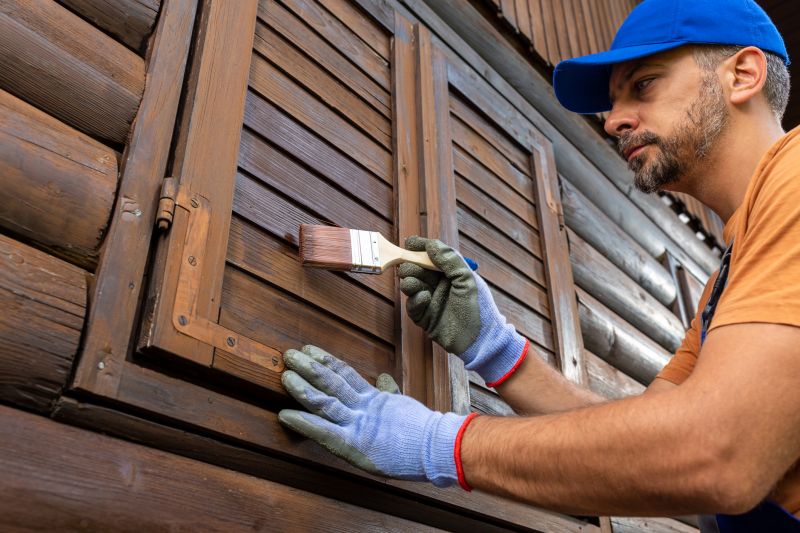
When evaluating contractors for log home staining, it’s important to consider their experience with similar projects. Homeowners should look for service providers who have a proven track record of working on log homes, as this type of work requires specific skills and knowledge. An experienced contractor will understand the unique challenges of staining logs, such as surface preparation, penetration, and weather considerations, ensuring the project is handled properly from start to finish. Asking for examples of comparable jobs or references from past clients can provide insight into their familiarity with log home staining and their ability to deliver quality results.
Clear, written expectations are essential for a successful project. Homeowners should seek out service providers who can clearly outline the scope of work, the types of stains or finishes used, and any preparation or maintenance requirements. A detailed written plan helps prevent misunderstandings and sets a transparent foundation for the project. It’s also beneficial to review any written estimates or proposals carefully, ensuring they specify the work involved, materials, and any warranties or guarantees. This clarity allows homeowners to compare options effectively and choose a contractor who aligns with their project goals.
Reputable references and good communication are key indicators of a reliable service provider. Homeowners should inquire about references from previous clients who had similar log home staining projects, to gauge the contractor’s professionalism and quality of work. Additionally, responsive and clear communication throughout the process reflects a contractor’s commitment to customer service and transparency. Service providers who are easy to reach, willing to answer questions, and proactive in providing updates are more likely to deliver a smooth experience. It’s important to remember that the site introduces homeowners to local options, but the actual work will be performed by trusted local contractors who meet these criteria.
Property owners use Log Home Staining services for practical projects around their homes and businesses. This guide focuses on everyday jobs and straightforward project options.
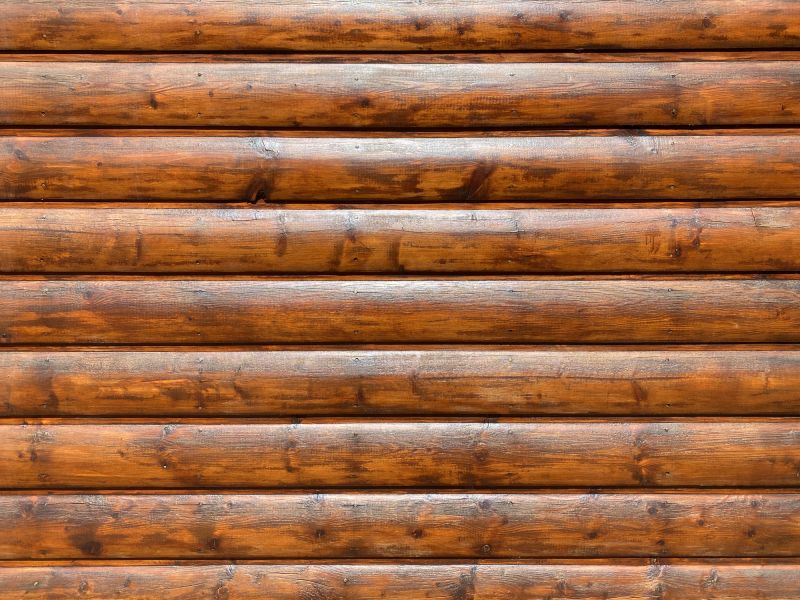
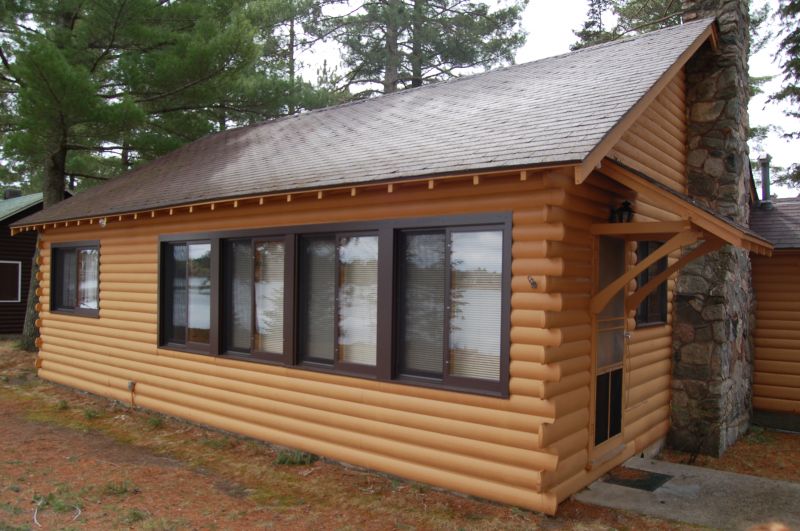
Log home owners often seek staining services to protect and enhance the natural beauty of their wood exteriors. Over time, exposure to sun, rain, and changing weather conditions can cause wood to fade, crack, or deteriorate, making regular staining an important part of maintenance. Local contractors can help preserve the durability and appearance of a log home by applying fresh stain, which also helps prevent issues like rot or insect damage.
Property owners in the area might also look for staining services when preparing to sell their home or simply wanting to refresh its look. A well-maintained stained log exterior can boost curb appeal and provide a clean, polished appearance. Local service providers are equipped to handle these projects efficiently, ensuring that the natural character of the logs is preserved while providing long-lasting protection.
What is the purpose of staining a log home? Staining helps protect the wood from weather damage, enhances its appearance, and extends the lifespan of the logs.
How often should a log home be stained? The recommended frequency varies based on the type of stain used and local conditions, but typically every 3 to 5 years.
What types of stains are available for log homes? There are transparent, semi-transparent, and solid stains, each offering different levels of protection and aesthetic appeal.
Can local contractors handle both staining and prep work? Yes, many service providers offer both surface preparation and staining to ensure a quality finish.
What factors influence the quality of a log home stain job? Proper surface preparation, choosing the right stain for the logs, and applying the stain correctly are key factors for a durable finish.
Enhance curb appeal - Property owners can improve the appearance of their log homes by applying fresh stain, making their property more inviting.
Protect wood surfaces - Staining services help preserve the integrity of logs against weathering and wear over time.
Refresh faded finishes - Re-staining allows homeowners to restore the original beauty of their logs after years of exposure.
Prepare for seasonal changes - Staining can be part of routine maintenance to ready a log home for upcoming weather conditions.
If you are thinking about Log Home Staining for a property, this guide is meant to help you understand the work, the typical project types, and how different options might fit your plans.
When you are ready, you can use the quote form on this page to share a few details about your project. From there, local pros can review the basics and respond with options that match what you have in mind.